Introduction to Cashback
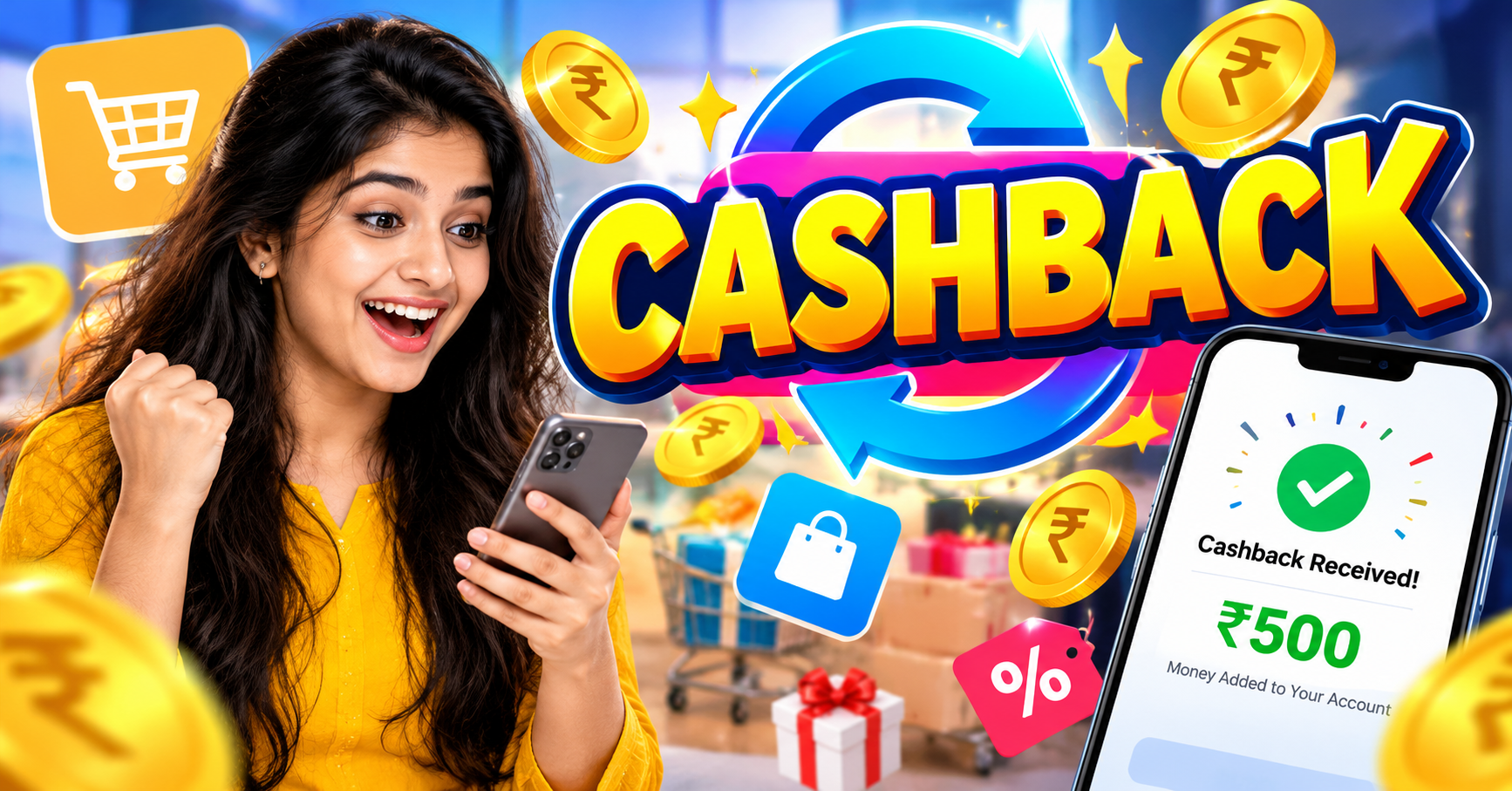
Cashback is a popular money-saving feature that allows customers to receive a percentage or fixed amount of money back when they make eligible purchases or payments. Today, cashback offers are available through digital payment applications, online shopping platforms, credit cards, debit cards, and various financial services. With the growth of digital payments, many people use cashback offers to reduce their everyday expenses and get additional value from their transactions.
For example, if you purchase a product worth ₹1,000 and receive 5% cashback, you can earn ₹50 back according to the offer’s terms. Cashback may be credited directly to your bank account, payment wallet, card statement, or a platform-specific rewards balance. However, the amount and method of receiving cashback depend on the provider and the particular promotion.
What Is Cashback?
Cashback is a reward system designed to encourage customers to use a particular payment method, application, website, or financial product. Instead of receiving a traditional discount before completing a purchase, customers receive a portion of the eligible spending back after meeting the offer conditions. This makes cashback attractive to people who regularly shop online, pay utility bills, recharge mobile phones, or use digital payment services.
Related Posts
Cashback is not always the same as receiving free money. Some offers require a minimum transaction amount, while others apply only to selected products, merchants, or payment methods. Certain promotions also have maximum reward limits or expiration dates. Therefore, customers should read the offer details carefully before making a transaction to understand how much cashback they can actually receive.
How Does Cashback Work?
Cashback generally works through partnerships between payment providers, retailers, banks, and promotional platforms. A company may offer cashback to attract new users, increase customer engagement, or encourage customers to purchase specific products. When a customer completes an eligible transaction, the provider checks whether the transaction satisfies the promotional requirements.
For instance, an application might advertise 2% cashback on selected bill payments. If a customer pays an eligible bill of ₹2,000, the potential cashback would be ₹40, provided the offer has no lower reward rate, exclusions, or maximum limit that changes the calculation. Depending on the platform, the cashback may appear immediately or after a verification period. Cancelled, refunded, or otherwise ineligible transactions may result in the reward being withheld or reversed.
Different Types of Cashback Offers
Cashback is available in several forms, and each type has different conditions and benefits. Understanding these options helps customers choose offers that match their spending habits.
Shopping cashback is offered by online stores and shopping applications when customers purchase eligible products. The reward may depend on the product category, promotional period, or order value. Some platforms provide cashback on clothing, electronics, groceries, and household products, while others restrict offers to selected brands.
Payment cashback is associated with digital payments, mobile recharges, electricity bills, broadband payments, and other eligible transactions. Payment applications sometimes introduce promotional campaigns to encourage customers to use their services. These offers may be available only to selected users or for a limited period.
Credit card cashback allows eligible cardholders to receive rewards based on their purchases. Some cards provide a fixed percentage on particular categories, such as groceries, fuel, or online shopping. Other cards offer different reward rates depending on spending limits and transaction types. Annual fees, interest charges, and other card conditions should also be considered.
Wallet cashback is credited to a digital wallet or a platform-specific rewards balance. Depending on the provider, this balance may be usable for future purchases or eligible payments. It may not always be transferable to a bank account, so customers should check the redemption rules.
Best Ways to Earn Cashback Online
Earning cashback online starts with choosing suitable offers for purchases or payments you already intend to make. Customers can check official payment applications, retailer websites, bank promotions, and authorized cashback platforms before completing a transaction. Comparing offers may help identify the most valuable option without spending additional money unnecessarily.
Another useful approach is to review promotional conditions before using a cashback code or referral offer. Some promotions require a minimum order value, a first transaction, a particular payment method, or a specific merchant. Customers should also verify whether an offer can be combined with other discounts. The best strategy is to prioritize genuine savings on necessary purchases rather than buying unnecessary products simply to earn a reward.
Cashback Through UPI Payment Applications
Unified Payments Interface (UPI) has made digital payments convenient for many people in India. UPI applications may occasionally provide promotional rewards for eligible transactions, merchant payments, or specific campaigns. However, cashback is not guaranteed on every UPI transfer or payment, and the availability of offers varies between applications and promotional periods.
To find available rewards, users should open their preferred UPI application’s official offers or rewards section and review the applicable terms. Some offers may be restricted to selected users, merchants, transaction types, or minimum payment amounts. Customers should never assume that every payment will earn cashback. They should also avoid sharing their UPI PIN, OTP, or other confidential information with anyone claiming to provide cashback.
Benefits of Using Cashback Offers
One of the main benefits of cashback is that it can reduce the effective cost of everyday spending. When customers receive rewards on purchases they already planned to make, they can save small amounts that may accumulate over time. Cashback can also encourage people to compare prices, explore payment offers, and manage their spending more carefully.
Another advantage is convenience. Many cashback rewards are credited digitally, reducing the need for paper coupons or manual redemption procedures. Depending on the provider, users may be able to view their rewards history and track pending transactions through an application. Cashback promotions can also introduce customers to new services, although users should always evaluate the provider’s reliability and privacy policies before signing up.
Cashback vs Discount: What Is the Difference?
Cashback and discounts both help customers save money, but they work differently. A discount usually reduces the purchase price immediately, while cashback typically returns a portion of the eligible spending after the transaction is completed.
For example, a 10% discount on a ₹1,000 product reduces the amount payable to ₹900. A 10% cashback offer may require the customer to pay ₹1,000 first and receive ₹100 later, subject to the promotion’s conditions. The final financial benefit may be similar, but the timing and redemption requirements can differ. Customers should also consider whether cashback is subject to a cap, minimum spending requirement, or restrictions on how the reward can be used.
Important Things to Check Before Claiming Cashback
Before participating in any cashback promotion, customers should carefully review the terms and conditions. Check the cashback percentage, maximum reward amount, minimum transaction value, eligible merchants, payment methods, and offer expiration date. It is also important to understand whether the reward is credited instantly or after a verification period.
Users should confirm how cashback can be redeemed and whether it expires. Some rewards are credited as wallet balances, while others appear as card statement credits or promotional points. Customers should also check refund policies because cashback may be reversed if an order is cancelled or a transaction is refunded. Reading these details can prevent confusion and help users make informed decisions.
Common Cashback Scams and Safety Tips
Cashback scams can occur through fake websites, fraudulent messages, social media accounts, and impersonation calls. Scammers may promise unusually large rewards and ask users to reveal their banking details, UPI PIN, OTP, or passwords. Genuine cashback claims should never require customers to disclose confidential authentication information to another person.
To stay safe, use official applications and verified websites, and avoid clicking suspicious links that promise instant rewards. Never install unknown applications or screen-sharing tools at the request of someone claiming to be customer support. Be cautious of offers that require an upfront payment to release supposed cashback. If a transaction appears suspicious, contact the payment provider through its official support channel and report unauthorized activity promptly.
How to Track and Manage Cashback Rewards
Keeping track of cashback rewards helps customers understand their actual savings. Many payment applications and shopping platforms display completed transactions, pending rewards, and redemption history in their rewards sections. Users can review these records periodically to confirm whether eligible cashback has been credited.
Maintaining a simple monthly record of cashback earned from shopping, bills, and other eligible payments can also make budgeting easier. However, customers should distinguish between confirmed rewards and promotional amounts that are still pending. If cashback does not arrive within the period specified by the provider, they can contact official customer support with the transaction reference and relevant offer details. Keeping receipts and screenshots of the terms can be useful when resolving a genuine reward dispute.
Download Now
Conclusion
Cashback is a convenient way to save money on eligible purchases and digital payments. Whether it comes from online shopping, payment applications, bank cards, or promotional campaigns, cashback can provide additional value when used carefully. The amount earned depends on the provider, transaction eligibility, promotional conditions, and any applicable reward limits.
To make the most of cashback, compare offers, read the terms and conditions, track your rewards, and prioritize purchases you genuinely need. Avoid spending extra money solely to qualify for a reward, and never share confidential banking credentials to claim cashback. With responsible use and basic online safety practices, cashback offers can become a useful part of everyday money management.