
Introduction to Picture AppLock
Picture AppLock is a privacy protection application designed to help users secure personal information on their smartphones. In today’s digital world, smartphones contain private photographs, videos, messages, social media accounts, banking applications, and other sensitive information. Protecting this data from unauthorized access has become an important part of everyday mobile usage. App-locking applications provide an additional layer of security by allowing users to lock selected apps with a PIN, password, pattern, or other supported authentication methods. Depending on the specific version, Picture AppLock may offer features that help users control access to private applications and maintain greater privacy while sharing their phones with friends or family members.
What Is Picture AppLock?
Picture AppLock is a mobile security utility intended to prevent unauthorized users from opening selected applications on a smartphone. Instead of locking the entire device, users can choose individual apps that require authentication before they can be accessed. For example, users may want to protect their photo gallery, WhatsApp, Instagram, Facebook, email, or other personal applications. When someone attempts to open a protected app, the app-locking system may display a security screen that requires the correct password, PIN, or pattern. The exact features and functionality depend on the particular Picture AppLock application, its developer, and the version installed on the device.
Why Is Picture AppLock Important?
Smartphones are frequently shared among friends, family members, and colleagues for different purposes. Someone might borrow a phone to make a call, view a photograph, play a game, or access the internet. During these situations, personal applications and private information may become accessible if they are not properly protected. Picture AppLock can help reduce this risk by adding an extra authentication step to selected applications. This is particularly useful for people who want to maintain privacy without preventing others from using the entire phone. However, users should remember that an app lock is an additional security measure rather than a complete replacement for the phone’s built-in screen lock and other privacy settings.
Related Posts
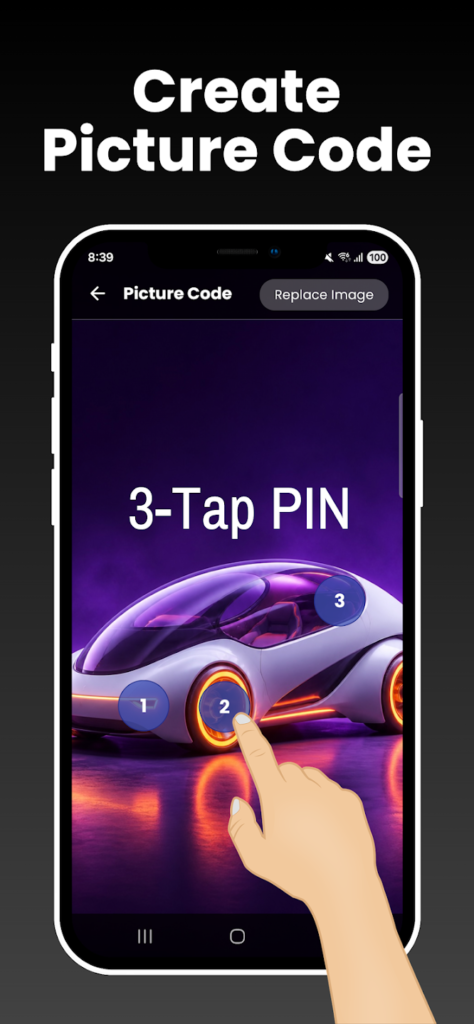
Key Features of Picture AppLock
The features available in Picture AppLock can vary according to the application version. Common features offered by app-locking utilities include application selection, PIN or pattern protection, password authentication, and customizable security settings. Some applications may also provide fingerprint authentication, automatic locking, or additional privacy tools when supported by the device. These features allow users to choose which applications require protection and how access should be controlled. Before relying on a particular feature, users should check the application’s official description and settings to confirm that it is actually supported by their installed version.
App Locking and Application Protection
One of the primary purposes of Picture AppLock is to restrict access to selected applications. Users can identify the apps that contain personal information and enable protection for them individually. For example, a user may choose to lock a messaging application to prevent other people from reading private conversations or secure a photo gallery to reduce unwanted browsing. Once protection is enabled, the application may request authentication whenever someone tries to open a locked app. This approach provides more flexibility than relying exclusively on the device’s main screen lock, especially when users temporarily hand their unlocked phones to other people.
PIN, Password, and Pattern Security
Authentication is an important component of any app-locking application. Depending on the version, Picture AppLock may support a numerical PIN, an alphanumeric password, or a pattern-based unlocking method. A strong PIN should not be easy to guess, so users should avoid simple combinations such as 1234, repeated digits, or personally identifiable numbers. Passwords should also be unique and difficult for other people to predict. If the application supports pattern protection, users should choose a pattern that cannot be easily observed or guessed. Users must also understand the application’s recovery process before setting a password, because forgetting authentication details may make it difficult to access protected applications.
Protecting Photos, Videos, and Personal Information
Photographs and videos often contain private memories, personal documents, screenshots, and other information that users do not want everyone to see. Picture AppLock may help protect access to a gallery application if that application is compatible with its locking mechanism. However, locking a gallery app does not necessarily hide the underlying image files from every other application or file manager. Users who need stronger protection should consider their smartphone’s built-in Private Space, Secure Folder, hidden album, or encrypted storage features where available. They should also review cloud backup settings and ensure that sensitive photographs are not unintentionally accessible through shared accounts or unsecured online storage.
User Interface and Ease of Use
A useful app-locking application should provide a straightforward interface that makes security settings easy to understand. Users generally benefit from clear menus, simple instructions, and an organized list of installed applications. A convenient interface helps users select the apps they want to protect, change authentication settings, and manage their preferences without unnecessary complexity. However, the design and ease of use of Picture AppLock depend on the particular version. Before installing it, users should review recent screenshots, the application’s description, and genuine user feedback to determine whether its interface meets their needs.
How to Use Picture AppLock
Using an app-locking application generally involves installing the legitimate application, completing its initial setup, selecting an authentication method, and choosing which apps to protect. First, download Picture AppLock from a trustworthy source after verifying the developer and application details. Open the application and follow the setup instructions to create a PIN, password, or supported pattern. Next, select the applications that need additional protection and enable the locking feature. If the app requests special permissions, review each request carefully and allow only the access required for its stated purpose. Finally, test the protection by opening a selected application and checking whether authentication is requested as expected. Menu names and setup steps may differ between versions.
Privacy and Permission Requirements
App-locking utilities may require special Android permissions to detect application launches, display a locking screen, or maintain their protection functions. Depending on the implementation, these may include usage access, accessibility access, or permission to display over other applications. Such permissions can provide powerful capabilities, so users should understand why they are required before granting access. An application should not be given unnecessary access to contacts, messages, photographs, or other personal information without a clear and legitimate reason. Reviewing the privacy policy, developer information, data safety disclosures, and requested permissions can help users make a more informed decision about whether the application is appropriate for their device.
Advantages of Picture AppLock
The main advantage of Picture AppLock is the possibility of adding another barrier between private applications and unauthorized users. It can help people maintain personal privacy when lending their smartphones to others and can reduce accidental access to sensitive applications. Application-level protection also allows users to secure selected apps without repeatedly locking and unlocking the entire device. Depending on the available features, customizable authentication methods may provide additional convenience. Nevertheless, the actual level of protection depends on the application’s reliability, the device’s operating system, and how securely the user configures the application.
Limitations of Picture AppLock
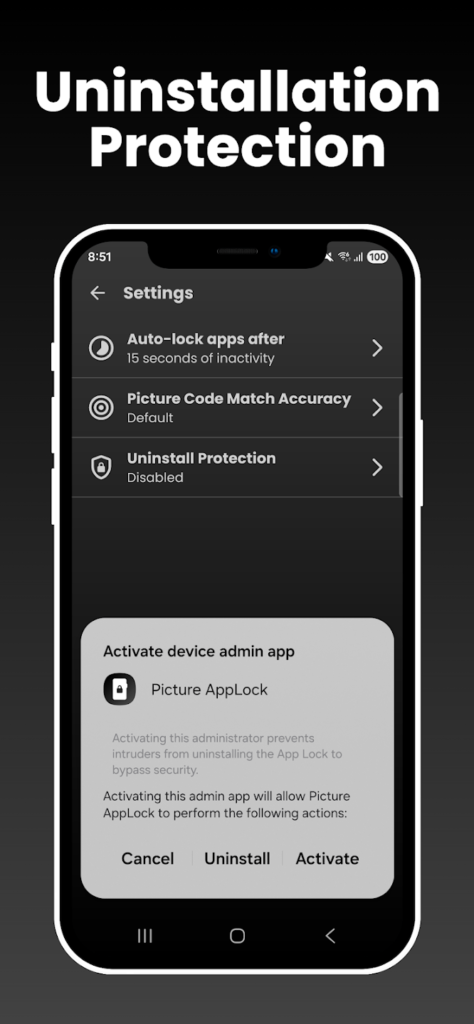
Although app-locking applications can be useful, they are not guaranteed to provide complete security. Some Android devices may restrict background activity, causing third-party locking utilities to behave inconsistently. Notifications, recent-app previews, widgets, or alternative file-access methods may expose information even when an application is locked. Certain apps may also be bypassed if the locking utility is disabled, uninstalled, or affected by system changes. Furthermore, app locks do not automatically encrypt all files stored on a smartphone. Users should therefore combine application-level protection with a strong device password, updated software, secure backups, and the privacy features provided by their device manufacturer.
Picture AppLock for Android Users
Android users should check the compatibility of Picture AppLock with their device model and operating system version before installation. Different Android versions apply different rules to background services, accessibility permissions, and application monitoring. These differences may affect how an app-locking utility works. Users should also confirm whether the application is actively maintained and whether the developer provides support or security updates. If the device already includes a built-in application lock or secure folder, comparing that option with a third-party application may help users choose the most suitable solution.
Safety Tips for Using Picture AppLock
To get the most from an app-locking application, users should follow basic mobile security practices. Download applications only from reputable sources, use a strong authentication method, and keep the smartphone’s operating system updated. Never share the app-lock password with people who should not have access to protected applications. Review permissions periodically and remove applications that are no longer needed. Users should also test password recovery options and maintain secure backups of important data. If an app-locking utility requests unusually broad permissions without a reasonable explanation, consider choosing a better-established alternative.
Download Now
Conclusion
Picture AppLock can be a useful option for users who want to add an extra layer of privacy to selected smartphone applications. By requiring authentication before protected apps can be opened, an app-locking utility may help reduce unwanted access to personal conversations, photographs, social media accounts, and other private information. However, its effectiveness depends on the exact application version, device compatibility, permissions, and security configuration. Users should verify the application’s authenticity, understand its privacy practices, and avoid assuming that locking an app automatically encrypts all its data. Combining a trusted app-locking solution with strong device security and responsible smartphone habits offers a more comprehensive approach to protecting personal information.