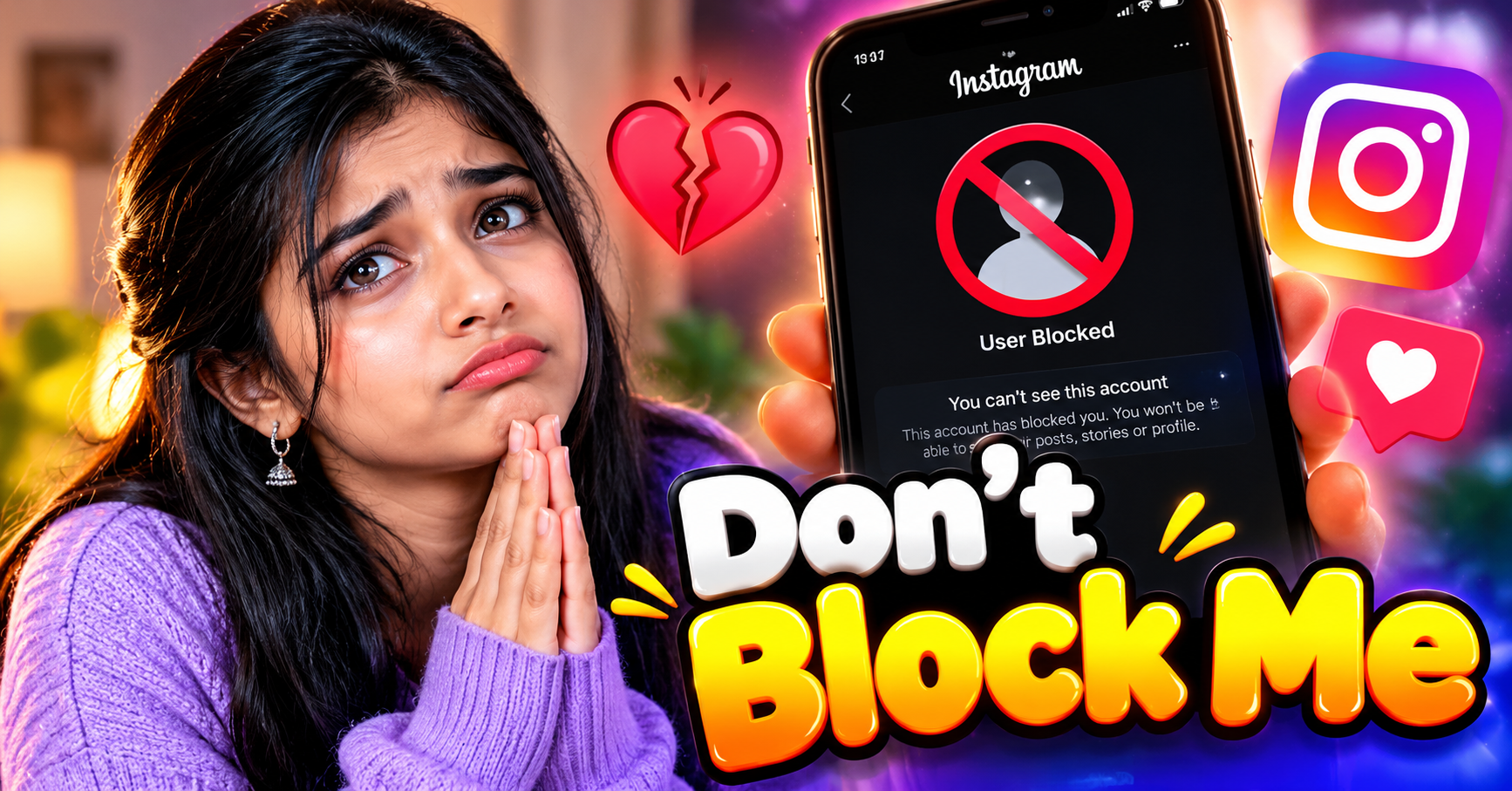
Introduction to Don’t Block Me
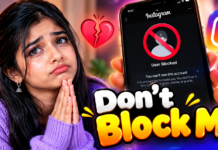
“Don’t Block Me” is a phrase commonly used in digital communication, social media, messaging applications, and online relationships. It expresses a request asking someone not to block another person from contacting them. In today’s digital world, people use platforms such as Instagram, WhatsApp, Facebook, Snapchat, and other messaging services to communicate with friends, family members, colleagues, and loved ones. When misunderstandings or disagreements occur, one person may decide to block the other. Therefore, the phrase “Don’t Block Me” has become a familiar expression in online conversations, emotional messages, captions, and relationship-related content.
The phrase can also be used as the name or keyword for digital tools, applications, or online services that help users manage communication. However, its exact meaning depends on the context in which it appears. Understanding how blocking works, why people use this phrase, and how to maintain healthy digital relationships can help users communicate more responsibly.
What Does Don’t Block Me Mean?
The phrase “Don’t Block Me” simply means asking another person not to prevent you from contacting them through a digital platform. When someone blocks a contact, that person may no longer be able to send messages, view certain profile information, or interact with the other person’s account, depending on the platform’s settings.
Related Posts
People commonly use this expression during emotional conversations, disagreements, friendships, and romantic relationships. For example, a person who wants to resolve an argument may send a message saying, “Please don’t block me. Let’s talk and solve this problem.” In this situation, the phrase communicates a desire to continue the conversation and find a solution.
However, it is important to understand that every individual has the right to decide who can contact them online. Asking someone not to block you should never become a way to pressure them into maintaining communication when they have clearly requested distance.
Why Do People Use the Phrase Don’t Block Me?
People use the phrase for several reasons, including emotional attachment, friendship, relationship problems, misunderstandings, and the desire to explain their side of a situation. Sometimes, an argument happens because of an unclear message, a misunderstanding, or a disagreement about personal matters. One person may worry that the other will immediately end communication by blocking them.
In other situations, the phrase is used casually between friends as a joke or as part of a funny social media caption. For example, someone might post a humorous message after sending multiple messages to a friend. The meaning can range from playful and entertaining to serious and emotional.
Understanding the context is essential because the same phrase can communicate different feelings. It may express affection, regret, fear of losing contact, or a simple desire to continue a conversation.
Don’t Block Me and Social Media Platforms
Social media platforms have become an important part of everyday communication. Instagram, Facebook, Snapchat, and similar services provide blocking features that allow users to control their online interactions. These features are designed to help people manage unwanted contact, harassment, spam, and privacy concerns.
When someone says “Don’t Block Me” on social media, they may be requesting another opportunity to communicate. They might want to explain a misunderstanding, apologize for a mistake, or continue a friendship. In some cases, the phrase is also used in Instagram captions, WhatsApp status updates, memes, and short videos.
Each platform has its own blocking rules and privacy settings. A person should check the relevant platform’s official help information to understand what happens when an account is blocked. Users should also remember that creating another account to contact someone who has blocked them may violate platform rules or disregard that person’s boundaries.
How Blocking Works in Online Communication
Blocking is a privacy and communication control available on many digital platforms. It allows users to limit interactions with selected accounts. Depending on the service, blocking may prevent direct messages, restrict profile access, hide posts, or stop certain interactions.
For example, if one person blocks another on a messaging application, the blocked person may no longer be able to communicate normally through that service. The precise effects vary by application, and some platforms do not provide a direct notification that a block has occurred.
Blocking can be useful when someone receives unwanted messages, experiences online harassment, or needs personal space. It is not always an indication of hatred or permanent rejection. Sometimes, a person blocks another account because they need time to recover emotionally or want to establish clear boundaries. Understanding these differences helps people respond calmly instead of repeatedly attempting to contact someone who has chosen to stop communication.
Don’t Block Me in Friendship and Relationships
Friendships and romantic relationships can sometimes involve misunderstandings, arguments, jealousy, and emotional stress. In these situations, the phrase “Don’t Block Me” may represent the fear of losing an important connection. A person may want to apologize, explain their intentions, or request an opportunity to resolve the disagreement.
Healthy communication is essential for maintaining strong relationships. Instead of repeatedly sending emotional messages, people can express their feelings clearly and respectfully. For example, a message such as “I understand that you’re upset. I’m sorry for my part in what happened. If you’re comfortable talking later, I’m willing to listen” communicates accountability without demanding an immediate response.
At the same time, both people should feel safe expressing their needs. A healthy relationship does not require constant online availability, and nobody should feel obligated to remain in a conversation that makes them uncomfortable. Respect, patience, and mutual understanding are more important than preventing someone from using a blocking feature.
Common Uses of Don’t Block Me Online
The phrase appears in several forms of online content. One common use is in personal messages sent during disagreements. Someone may use it to request a chance to explain their actions or apologize for a mistake.
Another popular use is in social media captions and status updates. People may post emotional quotes, funny messages, or short videos using the phrase to express their feelings. Content creators can also use it as a topic for relationship discussions, entertainment posts, memes, and digital storytelling.
The phrase may also appear in searches related to applications or online services. In such cases, users should verify the identity and purpose of the particular service before installing an application or sharing personal information. The phrase alone does not identify a specific official application, so users should confirm the developer, permissions, and official website when looking for a product with this name.
Privacy and Safety Considerations
Online privacy should always be a priority when using messaging applications and social media. People should avoid sharing passwords, verification codes, personal documents, or sensitive information with unknown websites or applications claiming to help with blocking or unblocking contacts.
Users should also be cautious about services that promise to bypass another person’s blocking settings. A legitimate service should not require unauthorized access to someone else’s account. Sharing login credentials with unknown third parties can lead to account theft, identity misuse, or privacy problems.
If someone blocks you, the safest response is to respect that decision. If there is a genuine practical matter that requires communication, use an appropriate and mutually acceptable channel only when it does not violate an expressed boundary or create a safety concern. Online communication should always be based on consent, respect, and personal security.
Tips for Handling a Blocking Situation
When someone blocks you, it is natural to feel confused, disappointed, or upset. However, reacting immediately with anger or repeatedly trying to contact that person can make the situation worse. Taking a break from social media can help you understand your feelings and decide what to do next.
If you believe that you made a mistake, reflect on what happened and consider whether an apology is appropriate. An apology should acknowledge the impact of your actions instead of blaming the other person. If communication is still welcome, a short and sincere message may be more helpful than a long series of emotional messages.
If the other person does not want further contact, respect their decision. Focus on your personal well-being, spend time with supportive friends and family members, and avoid checking their online activity repeatedly. Not every disagreement can be resolved immediately, and some relationships may need to end.
Advantages of Responsible Digital Communication
Responsible digital communication helps people build stronger relationships and avoid unnecessary misunderstandings. Clear messages, respectful language, and thoughtful responses can prevent small disagreements from becoming serious conflicts.
It is also important to recognize the value of personal boundaries. Blocking features allow users to control their digital environment and protect themselves from unwanted interactions. When people respect these controls, online spaces become safer and more comfortable for everyone.
Learning to communicate without pressure can improve friendships, family relationships, and romantic connections. Rather than focusing only on whether someone blocks you, concentrate on building relationships based on honesty, trust, mutual respect, and emotional maturity.
Frequently Asked Questions About Don’t Block Me
What is the meaning of Don’t Block Me?
“Don’t Block Me” is a request asking someone not to prevent you from contacting them through a social media platform, messaging application, or another communication service.
Is Don’t Block Me a specific application?
The phrase itself does not identify one particular application. It may be used in messages, captions, websites, or app-related searches. Always verify the exact product and its developer before downloading anything.
Can I message someone who has blocked me?
Normally, blocking restricts communication through the relevant platform. The exact restrictions depend on the service. You should respect the person’s decision rather than trying to bypass the block.
Why would someone say Don’t Block Me?
Someone may use the phrase because they want to apologize, explain a misunderstanding, maintain a friendship, or resolve a disagreement. It can also be used humorously in social media content.
How should I respond if someone blocks me?
Remain calm, respect their privacy, and avoid repeated attempts to contact them. If appropriate and welcome, you can communicate respectfully at a later time. If they have clearly requested no contact, do not pursue further communication.
Conclusion
“Don’t Block Me” is a widely understandable phrase associated with online communication, relationships, and social media interactions. It can express a request for another opportunity to communicate, a desire to resolve a misunderstanding, or a playful message between friends. Its meaning depends on the situation in which it is used.
Understanding blocking features, respecting privacy, and communicating responsibly are essential parts of a positive digital experience. Although it can be difficult when someone ends online communication, respecting their boundaries is important. By choosing honest communication, patience, and mutual respect, people can create healthier relationships and use social media in a safer and more meaningful way.