

Introduction to Heavy Machines & Construction
Heavy machines play an important role in the construction industry by helping workers complete large-scale projects efficiently, safely, and accurately. Construction activities such as building roads, bridges, residential buildings, commercial complexes, dams, tunnels, and industrial structures require powerful equipment to handle difficult tasks. Heavy construction machinery is specially designed to perform operations such as digging, lifting, transporting, drilling, cutting, loading, and moving heavy materials. These machines reduce manual labour, save time, and improve overall productivity. With the development of modern technology, construction equipment has become more advanced, offering better performance, improved fuel efficiency, and enhanced safety features.
Importance of Heavy Machinery in the Construction Industry
Heavy machinery is one of the most important elements of modern construction because it allows contractors to complete complex projects within planned schedules. Earlier, many construction activities depended heavily on manual labour and traditional tools. These methods required more time and physical effort. Modern machines have transformed the construction industry by completing demanding operations within a shorter period. Equipment such as excavators, bulldozers, cranes, and loaders can handle large quantities of soil, concrete, stones, and other construction materials. Heavy machinery also helps improve construction accuracy and reduces the possibility of human errors.
Excavators and Their Applications
Excavators are among the most commonly used machines in the construction industry. They are powerful earthmoving machines equipped with a long boom, arm, bucket, and rotating cabin. Most excavators operate using hydraulic systems that provide the strength required for digging and lifting heavy materials. These machines are mainly used for digging foundations, removing soil, demolishing old structures, creating trenches, and clearing construction sites. Excavators are available in different sizes, including mini excavators, medium excavators, and large heavy-duty excavators. Their flexibility and powerful digging capabilities make them essential equipment for construction companies.
Related Posts
Bulldozers for Earthmoving Operations
Bulldozers are heavy construction machines designed mainly for pushing large quantities of soil, sand, rocks, and construction waste. They are equipped with a large metal blade at the front and powerful tracks that provide stability on rough and uneven surfaces. Bulldozers are widely used for land clearing, ground levelling, road construction, and removing unwanted materials from construction areas. Their strong engines allow them to operate in challenging environments. Some bulldozers also include a rear attachment called a ripper, which helps break hard soil and rocky surfaces.
Cranes and Heavy Lifting Equipment
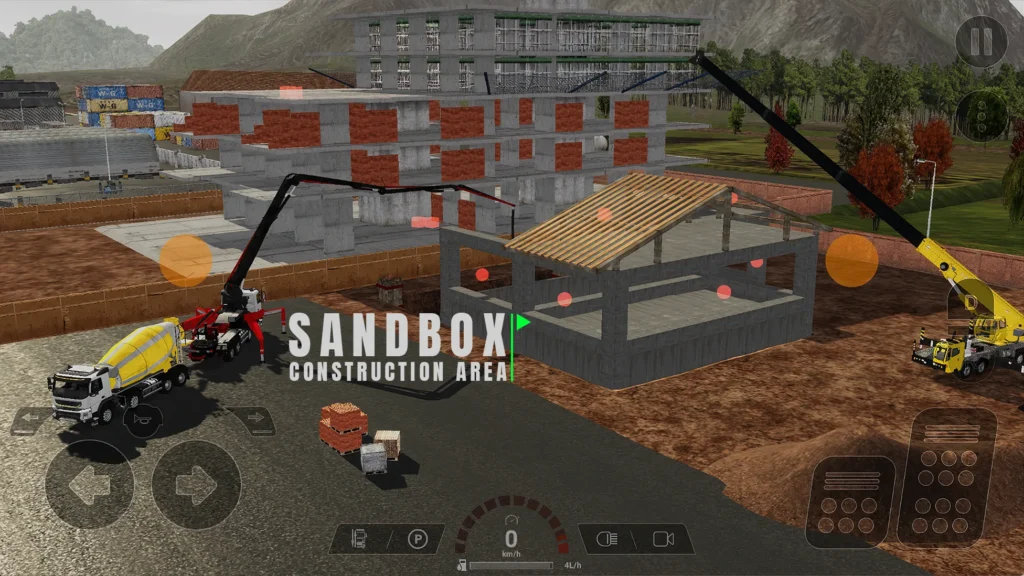
Cranes are essential lifting machines used to move heavy construction materials from one location to another, especially at significant heights. They are commonly used in high-rise building construction, bridge development, industrial projects, and infrastructure works. Tower cranes are frequently seen at large building construction sites because they can lift heavy materials to considerable heights. Mobile cranes are mounted on wheeled vehicles and can be transported between different project locations. Cranes help workers transport steel structures, concrete components, machinery, and other materials safely and efficiently.
Wheel Loaders and Material Handling
Wheel loaders are powerful machines designed to collect, lift, and transport loose construction materials. They feature a large bucket attached to the front of the machine, which allows operators to move sand, gravel, soil, stones, and other materials. Wheel loaders are commonly used in construction sites, quarries, mining operations, and material storage areas. They help load construction materials into dump trucks and transport materials over short distances. Different bucket sizes and attachments make wheel loaders suitable for various construction requirements.
Dump Trucks and Transportation of Materials
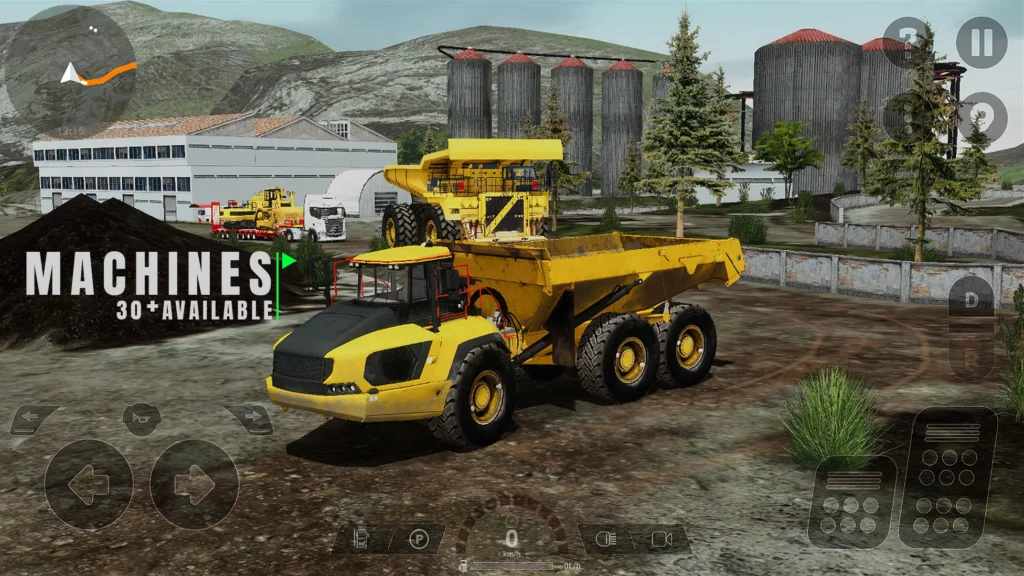
Dump trucks are specially designed vehicles used to transport and unload large quantities of construction materials. They play an important role in moving sand, soil, gravel, stones, demolition waste, and other materials between construction locations. These trucks generally feature an open-box bed that can be raised using a hydraulic system to unload materials quickly. Articulated dump trucks are suitable for rough and muddy construction environments, while rigid dump trucks are commonly used for large-scale mining and heavy-duty transportation.
Concrete Mixers and Construction Equipment
Concrete mixers are important machines used to prepare concrete by combining cement, water, sand, and aggregates in the correct proportions. These machines ensure that the ingredients are mixed properly to achieve a consistent concrete mixture. Portable concrete mixers are useful for small construction projects, while large transit mixer trucks transport ready-mixed concrete from batching plants to construction sites. Proper concrete mixing is essential because the quality of concrete directly affects the strength, durability, and stability of buildings and structures.
Road Construction Machinery
Road construction requires specialised machinery to prepare surfaces, spread materials, and create smooth and durable roads. Important road construction machines include motor graders, asphalt pavers, road rollers, and soil compactors. Motor graders are used to level the ground and create the required road surface slope. Asphalt pavers distribute hot asphalt mixtures evenly across road surfaces. Road rollers compress soil, gravel, and asphalt to improve surface strength and stability. These machines are essential for constructing highways, village roads, airport runways, and industrial transportation routes.
Benefits of Using Heavy Construction Machines
Heavy construction machinery offers several advantages to construction companies, contractors, and infrastructure developers. One of the major benefits is increased productivity because machines can complete large tasks much faster than manual labour. Heavy equipment also reduces the physical workload of construction workers and helps perform operations that would otherwise be difficult or dangerous. Another important advantage is improved accuracy, particularly in activities such as excavation, levelling, lifting, and material placement. Although purchasing and maintaining heavy equipment requires significant investment, proper machine selection and utilisation can reduce overall project costs in the long term.
Safety Measures for Operating Heavy Machinery
Safety is extremely important when operating heavy construction machinery because improper handling can result in serious accidents, injuries, and property damage. Every machine should be operated by a trained and authorised operator who understands its functions, limitations, and safety requirements. Construction companies should conduct regular inspections to identify mechanical problems, hydraulic leaks, damaged tyres, and other equipment-related issues. Workers must maintain safe distances from operating machinery and avoid entering restricted work zones. Wearing personal protective equipment such as helmets, safety shoes, reflective jackets, and protective gloves is also essential.
Maintenance of Heavy Construction Equipment
Regular maintenance is necessary to keep heavy construction machines in good working condition and extend their operational lifespan. Construction equipment operates under demanding conditions, including dust, heat, vibration, heavy loads, and continuous movement. Without proper maintenance, machines may experience engine problems, hydraulic failures, and unexpected breakdowns. Routine maintenance activities include checking engine oil, replacing filters, inspecting hydraulic systems, monitoring tyre pressure, and examining tracks and undercarriage components. Preventive maintenance helps identify potential problems before they become expensive repairs.
Modern Technology in Heavy Machinery
Technology has significantly improved the performance and capabilities of modern construction equipment. Many advanced machines now include GPS navigation, automated controls, digital monitoring systems, fuel management technology, and telematics. GPS-based systems help operators perform excavation and land levelling with greater accuracy. Telematics technology allows construction companies to monitor equipment location, fuel consumption, engine performance, and operating hours remotely. Modern machines also feature advanced cameras, sensors, and warning systems that improve operator visibility and workplace safety.
Future of Heavy Machines & Construction
The future of heavy machinery is expected to be influenced by automation, artificial intelligence, electric power systems, and sustainable construction practices. Manufacturers are developing electric and hybrid construction equipment to reduce fuel consumption, operating noise, and harmful emissions. Autonomous construction machines may also become more common in controlled environments such as mining sites and large infrastructure projects. Artificial intelligence and smart monitoring systems can help predict equipment failures and improve maintenance planning. These developments will make construction operations more intelligent, efficient, and environmentally friendly.
Download Now
Conclusion
Heavy machines are the backbone of the modern construction industry. Equipment such as excavators, bulldozers, cranes, wheel loaders, dump trucks, concrete mixers, and road rollers makes construction activities faster, safer, and more efficient. These machines support the development of buildings, highways, bridges, dams, airports, and industrial facilities. Regular maintenance, skilled operators, proper safety practices, and suitable equipment selection are essential for achieving successful construction results. With continuous technological advancements, heavy construction machinery is becoming more intelligent, efficient, and environmentally friendly. The growing demand for infrastructure development will continue to increase the importance of heavy machines in shaping the future of the construction industry.