Equal AI – Call Assistant: Complete Guide
Introduction to Equal AI – Call Assistant
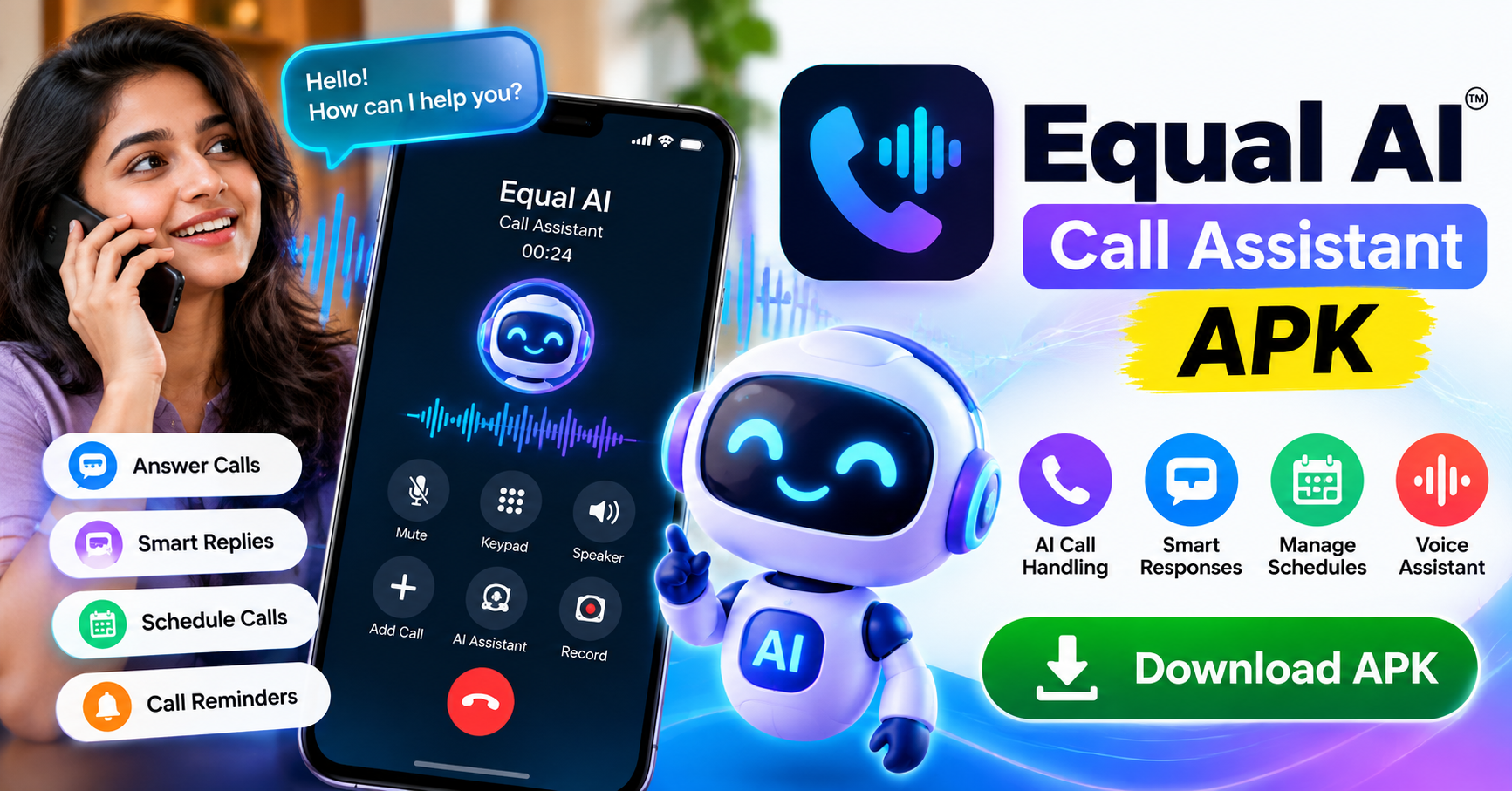
Equal AI – Call Assistant is an AI-powered communication tool designed to make phone calls more efficient, organized, and accessible. In everyday life, people often need to make calls for customer support, appointments, business communication, service inquiries, follow-ups, and many other purposes. However, handling calls manually can sometimes be time-consuming, especially when conversations involve complicated information or require careful note-taking. An AI call assistant can help simplify these tasks by supporting users before, during, and after a call. Equal AI – Call Assistant is designed around the idea of making phone communication easier to manage with the help of artificial intelligence. It can be particularly useful for people who want better organization, improved productivity, and a more convenient way to handle important conversations.
What is Equal AI – Call Assistant?
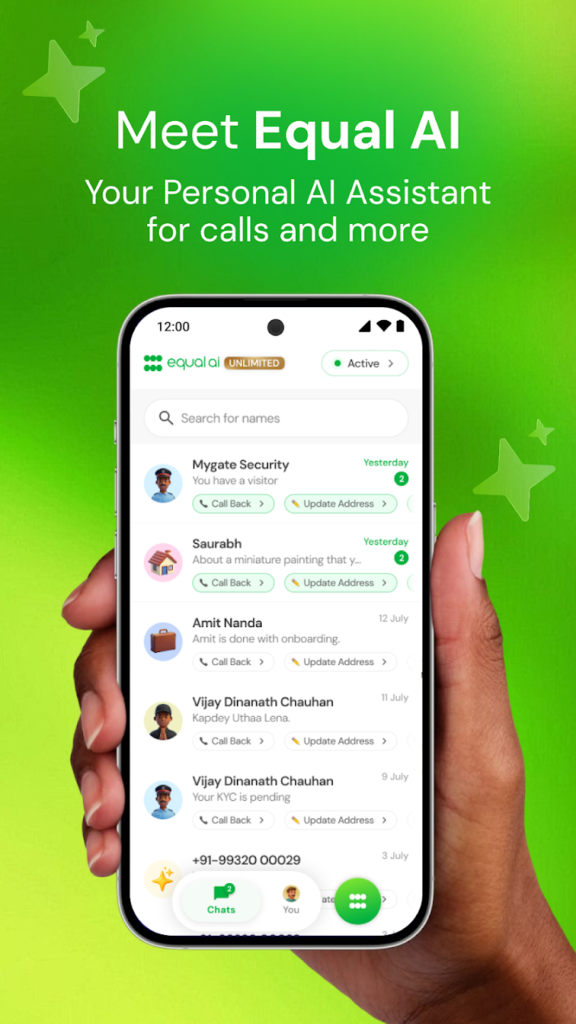
Equal AI – Call Assistant can be understood as an AI-based assistant focused on phone-call related tasks. Instead of treating a phone call as just a real-time conversation, an AI assistant can help users manage information associated with the call more systematically. Depending on the available features and configuration, such technology may assist with preparing for conversations, capturing important information, creating summaries, organizing follow-up actions, and reducing the amount of manual work required after a call. The primary purpose is to help users spend less time dealing with repetitive communication tasks and more time focusing on the actual conversation and its outcomes.
How AI Call Assistants Work
AI call assistants generally combine technologies such as speech recognition, natural language processing, artificial intelligence, and automated information organization. During a call, speech can be converted into text using speech-recognition technology. AI models can then process the conversation to identify important topics, questions, responses, action items, or other relevant information. After the conversation, the processed information can potentially be converted into a concise summary. This approach helps transform a lengthy phone conversation into structured information that can be easier to understand and reference later. The exact capabilities of Equal AI – Call Assistant depend on the specific version, platform, permissions, and features offered by the service.
Related Posts
Making Phone Conversations More Organized
One of the biggest advantages of an AI call assistant is improved organization. Important phone calls can contain multiple pieces of information, including names, dates, instructions, prices, appointment details, addresses, and follow-up requirements. Remembering everything from a long conversation can be difficult. An AI-powered assistant can help organize relevant information so that users do not have to depend entirely on memory or handwritten notes. This can be especially valuable for people who regularly receive business calls, customer-service calls, professional inquiries, or appointment-related communications.
AI-Powered Call Summaries
Call summaries can be one of the most useful functions of an AI communication assistant. Instead of reviewing an entire conversation, users may be able to access a condensed overview of the major points discussed. A well-structured summary can help users quickly understand what happened during the call, what decisions were made, and whether any action is required. For example, after a business discussion, a summary could help a user remember the main requirements and agreed follow-up steps. This can save time and make it easier to continue conversations later without starting from the beginning.
Saving Important Information from Calls
Phone conversations often contain information that users may need later. Manually writing down every important detail can interrupt the natural flow of a conversation. An AI call assistant can potentially help capture useful information from conversations and make it easier to retrieve later. This could include important discussion points, instructions, commitments, or other relevant details. By turning spoken information into organized digital content, AI technology can reduce the possibility of forgetting important parts of a conversation.
Improving Productivity for Professionals
Equal AI – Call Assistant can be particularly relevant to professionals who spend a significant amount of time communicating through phone calls. Sales representatives, business owners, customer-support teams, consultants, freelancers, recruiters, and service professionals may handle numerous calls every day. Managing notes and follow-ups manually after every conversation can consume considerable time. An AI assistant can help automate some of these repetitive activities, allowing professionals to concentrate more on their primary responsibilities. Better call organization can also make it easier to maintain continuity across multiple conversations.
Helpful for Customer Service and Support
Customer-service communication often involves detailed conversations. Customers may explain problems, provide account information, ask several questions, or request specific solutions. Keeping track of these details manually can be challenging. AI-powered call assistance can help structure conversation information and make important points easier to review. For support teams, organized call information may also contribute to more consistent follow-ups. However, organizations should always ensure that any AI system they use complies with applicable privacy, security, and data-handling requirements.
Reducing the Need for Manual Note-Taking
Traditional phone conversations often require users to write notes while simultaneously listening and responding. This can create unnecessary pressure because the user has to divide attention between the conversation and documentation. An AI call assistant can reduce this burden by helping capture conversation details automatically, where supported. Users can then focus more fully on the person they are speaking with. This is particularly useful during complicated discussions where missing a small detail could create confusion later.
Follow-Up Management After Calls
A successful phone conversation does not always end when the call is disconnected. Many calls create follow-up responsibilities such as sending documents, calling another person, scheduling an appointment, checking information, or completing a task. AI-assisted call management can help identify these potential follow-up items from a conversation. Turning conversational information into actionable tasks can improve workflow efficiency. For professionals who manage several calls each day, this type of organization can make a significant difference in keeping responsibilities under control.
Accessibility and Convenience
AI communication tools can also contribute to accessibility and convenience. People may find it difficult to remember long conversations or process large amounts of spoken information at once. Having structured information after a call can make communication easier to review. AI-powered speech processing can also help transform voice conversations into text-based information that users can read at their own pace. The practical accessibility benefits depend on the actual features provided by Equal AI – Call Assistant and the device or service environment in which it operates.
Privacy and Call Data Considerations
Privacy is an important consideration whenever AI technology is used for phone conversations. Calls may contain personal, financial, professional, or confidential information. Users should understand how call data is collected, processed, stored, and protected before using an AI call assistant. It is also important to check whether participants need to be informed or provide consent when a call is recorded, transcribed, or processed by an AI system. Laws and regulations regarding call recording and consent can vary depending on location. Users should therefore review Equal AI’s current privacy policies and applicable local requirements before using call-related AI features for sensitive conversations.
Accuracy and AI Limitations
Although AI technology has improved considerably, AI-generated transcriptions and summaries may not always be perfect. Background noise, accents, unclear speech, multiple speakers, technical terms, and poor call quality can affect speech recognition. AI may also misunderstand context or incorrectly interpret a statement. For this reason, users should verify important information rather than relying blindly on an AI-generated summary. This is particularly important when a call contains financial information, legal instructions, medical information, contractual commitments, or other high-stakes details.
Equal AI – Call Assistant for Everyday Users
For everyday users, an AI call assistant can provide practical benefits by reducing the effort required to manage phone conversations. People regularly make calls to businesses, service providers, educational institutions, healthcare facilities, delivery services, and other organizations. Remembering all the details from these calls can be difficult when several conversations happen in a short period. AI-assisted organization can make it easier to revisit relevant information and understand what needs to be done next. This can make everyday communication more structured and less dependent on manual note-taking.
Equal AI – Call Assistant for Business Communication
Businesses can potentially benefit from AI call-assistance technology because phone communication remains an important part of customer relationships and internal operations. Sales calls, support calls, vendor discussions, employee communication, and client meetings can generate large amounts of information. An AI assistant can help organize these interactions and reduce administrative workload. Businesses should, however, establish clear policies regarding consent, data retention, access controls, and confidential information before deploying AI tools across communication workflows.
Future of AI-Powered Calling
The development of AI is changing the way people interact with communication technology. Future call assistants may become increasingly capable of understanding conversation context, identifying important information, generating more useful summaries, organizing follow-up tasks, and connecting call information with other productivity systems. AI may gradually move beyond simply transcribing conversations toward becoming a broader communication-management assistant. However, responsible development will require strong attention to privacy, transparency, security, accuracy, and user control.
Final Thoughts
Equal AI – Call Assistant represents the broader evolution of phone communication through artificial intelligence. By helping users manage conversations, organize information, reduce manual note-taking, and potentially create useful summaries and follow-up actions, AI call assistants can make communication workflows more efficient. The technology can be valuable for both individuals and professionals, particularly those who handle frequent or information-heavy calls. At the same time, users should understand the tool’s actual features, limitations, privacy practices, and applicable consent requirements before relying on it for important conversations. When used thoughtfully, AI-assisted calling can become a practical part of modern digital communication and productivity.