
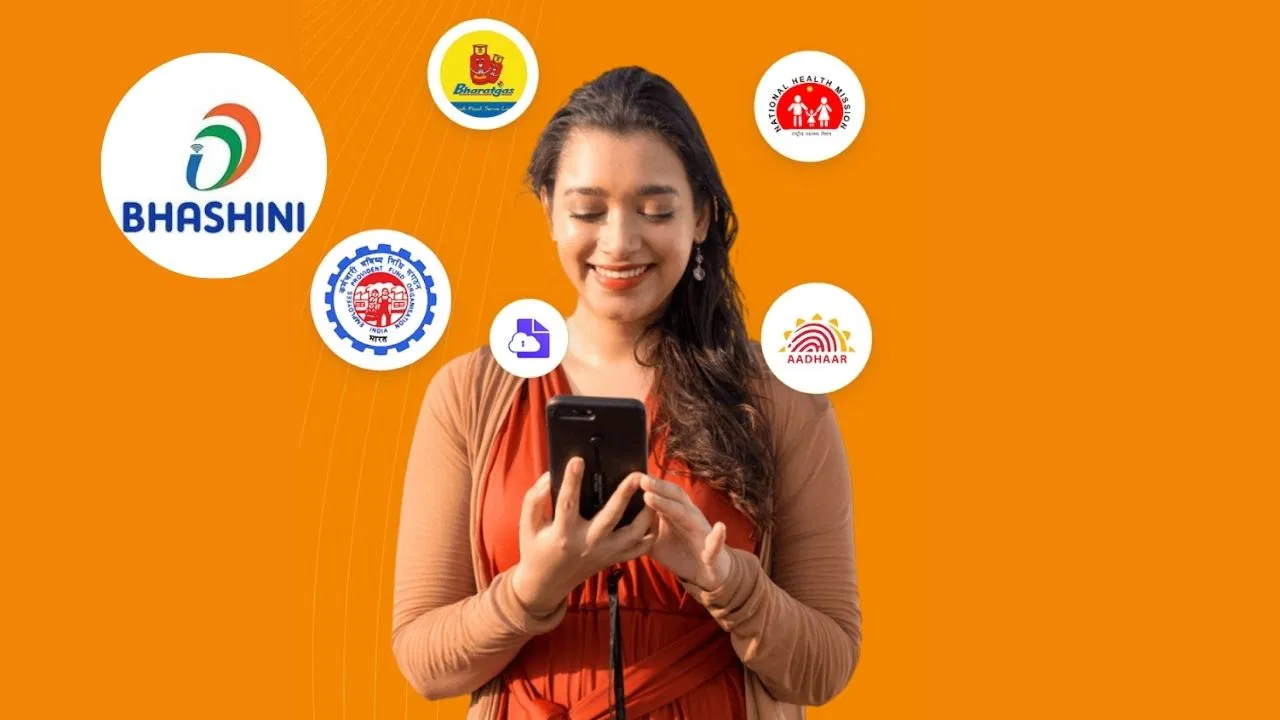
BHASHINI
BHASHINI is a forward-thinking initiative introduced by the Government of India as part of the National Language Translation Mission (NLTM). Its fundamental vision is to ensure that the Internet, digital services, and governance are accessible to every Indian citizen in their native language. India boasts a multitude of languages and dialects, and while this linguistic diversity is one of the country’s greatest assets, it also presents considerable challenges for digital inclusion. Numerous online resources, applications, and government websites are available solely in English or Hindi, leaving millions unable to take advantage of them. BHASHINI seeks to close this gap by creating advanced language translation technologies driven by artificial intelligence (AI) and natural language processing (NLP).
The main goal of BHASHINI is to establish a national public digital platform that accommodates all major Indian languages and facilitates smooth translation among them.
It offers APIs, datasets, and AI models that developers and organizations can utilize to build multilingual applications. In doing so, it democratizes access to language technologies, ensuring that smaller enterprises, startups, and researchers can also engage with and benefit from this ecosystem. The platform is designed to be open, interoperable, and scalable, meaning that as additional languages and datasets are incorporated, its accuracy and reach will keep improving.
One of the essential elements of BHASHINI is the creation of translation tools for speech, text, and video. This encompasses automatic speech recognition (ASR), machine translation (MT), and text-to-speech (TTS) technologies. For instance, a farmer in Tamil Nadu might pose a question in Tamil, and BHASHINI could promptly translate and relay that question to a government database available in English or Hindi, returning the answer in Tamil. Likewise, educational videos, government documents, and healthcare information could be accessible in all major Indian languages, enabling individuals who are not proficient in English or Hindi to obtain crucial information.
Related Posts
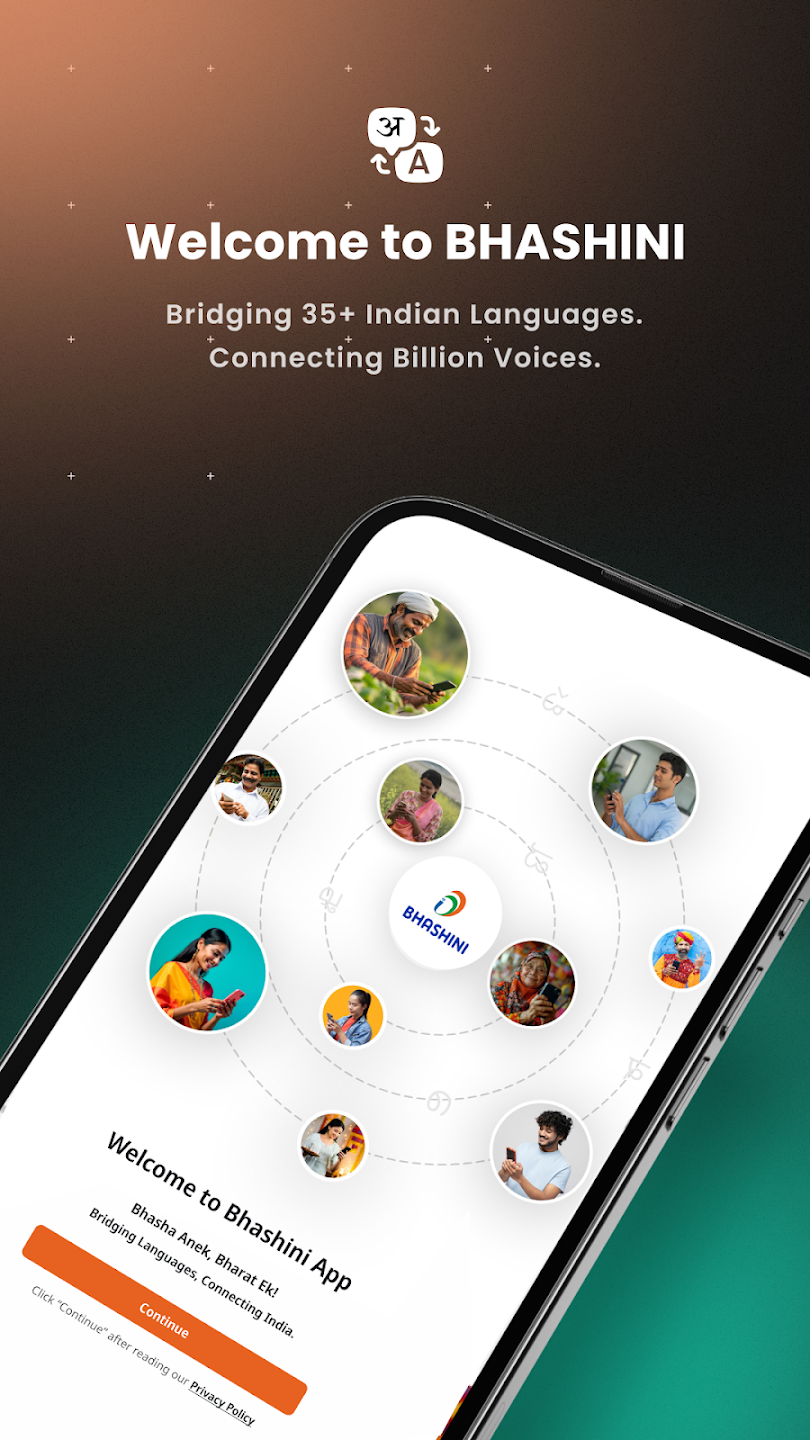
BHASHINI also backs initiatives in both the public and private sectors. Government agencies can utilize it to develop multilingual portals, while startups can incorporate its APIs into chatbots, applications, and customer support systems. Educational institutions can take advantage of BHASHINI to translate academic resources, and media organizations can employ it to enhance the inclusivity of their content. By breaking down language barriers, BHASHINI fosters social equity and boosts engagement in the digital economy.
The initiative is being executed by the Ministry of Electronics and Information Technology (MeitY) in partnership with various academic and research institutions, including IITs, IIITs, and other prominent universities. These institutions are tasked with constructing and refining the core AI models, gathering language datasets, and evaluating translation accuracy across diverse linguistic contexts. Given that Indian languages are rich, varied, and frequently context-sensitive, creating precise translation models presents a significant challenge. BHASHINI tackles this issue by employing advanced deep learning techniques and crowdsourcing efforts to continually enhance the quality of translations.
Another crucial element of BHASHINI is the sharing of data and the involvement of the community. The initiative invites citizens, organizations, and language specialists to provide voice samples, translations, and text corpora to enhance the dataset for each language. This inclusive strategy guarantees that even languages and dialects with fewer speakers are not overlooked. The overarching goal is to create a genuinely multilingual digital India where every individual, irrespective of their linguistic heritage, can fully engage with digital technologies.
Download Now
In summary, BHASHINI signifies a major advancement toward linguistic inclusion in India’s digital transformation. It not only utilizes AI to address a social issue but also fosters a collaborative environment of innovation and accessibility. By dismantling language barriers, it facilitates increased digital literacy, better governance, and a more interconnected, empowered community. The initiative emphasizes that technology should be equitable for all, and that language should never hinder progress in the digital era.