Power Outages
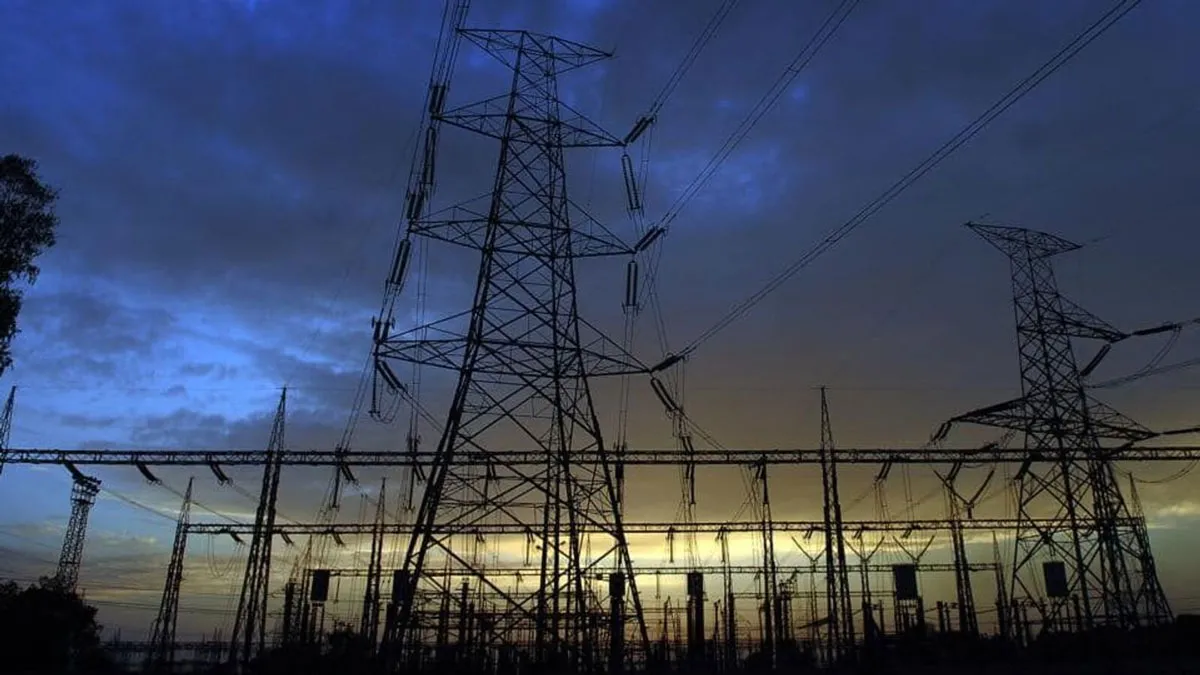
Power outages are an inevitable aspect of contemporary life, impacting residences, businesses, and public services in both urban and rural settings. They can occur for various reasons, such as scheduled maintenance, unforeseen equipment failures, natural disasters, or excessive demand on the power grid. Although a power outage may initially appear to be a minor inconvenience, its effects can be extensive, affecting daily activities, productivity, safety, and even the economy. Gaining insight into the causes of power outages and how to prepare for them can alleviate stress and minimize losses when electricity is temporarily unavailable.
One of the primary causes of power outages is routine maintenance. Power companies routinely inspect and repair lines, transformers, and substations to maintain the safety and reliability of the electricity supply. During these scheduled outages, power is deliberately turned off for a few hours to allow technicians to work safely. While these outages can be inconvenient, they are crucial for preventing more severe breakdowns in the future. Utility providers typically notify customers in advance through messages, emails, or local announcements, enabling people to plan accordingly.
In contrast, unplanned power outages are frequently the result of technical issues or external factors. Severe weather conditions, such as storms, heavy rainfall, strong winds, and lightning, can damage power lines and poles, resulting in sudden outages. In certain areas, animals like birds or squirrels interfering with equipment can also cause a shutdown. Additionally, overloading the power grid during peak demand periods, such as hot summer afternoons when air conditioning units are running continuously, can lead to transformers overheating and tripping the system. In these cases, power companies act swiftly to identify the fault and restore service, although the process may still take several hours.
Related Posts
The impact of a power outage can differ based on its length and the time it takes place. Brief outages may only lead to minor inconveniences, such as resetting clocks or temporarily losing internet access. However, extended shutdowns can significantly disrupt daily activities. Households may lose lighting, fans, refrigerators, and water pumps, making it uncomfortable and challenging to perform everyday tasks. If the power is off for an extended period, food in refrigerators can spoil, resulting in financial losses. For individuals dependent on medical devices that require electricity, a lengthy power outage can pose serious safety risks.
Businesses are also significantly impacted by power outages. Retail stores may need to close temporarily, factories might halt production, and offices could be unable to use computers and communication systems. This can lead to lost income, postponed projects, and dissatisfied customers. In sectors like manufacturing or data services, even a brief power interruption can result in equipment damage or data loss. To mitigate these risks, many companies invest in backup power solutions such as generators or uninterruptible power supplies (UPS).
Being prepared is essential for managing power outages effectively. Having essential items like flashlights, candles, batteries, and power banks readily available can greatly help during an outage. It is also wise to keep some drinking water and non-perishable food on hand in case the outage lasts longer than anticipated. Charging mobile phones and laptops ahead of time when a scheduled outage is announced ensures that communication and basic tasks can proceed. For households in regions that frequently experience outages, installing a home inverter or solar backup system can offer a dependable alternative power source. Safety must always be prioritized during a power outage.
Careful use of candles and ensuring they are kept away from flammable items can help prevent fire hazards. It is recommended to disconnect sensitive electronic devices to shield them from voltage spikes when power is restored. Minimize the frequency of opening the refrigerator to maintain the cold air inside and extend food preservation. In the event that traffic lights fail due to a power outage, both drivers and pedestrians should exercise heightened caution to prevent accidents.
In the long run, enhancing power infrastructure and advocating for renewable energy sources can significantly decrease the occurrence and effects of power outages. Governments and utility companies are increasingly channeling investments into smart grids, underground wiring, and solar or wind energy initiatives to ensure a more reliable and sustainable electricity supply. Although power outages may not be entirely eradicated, improved planning, advanced technology, and increased awareness can mitigate their disruptive nature and facilitate better management.
Ultimately, a power outage signifies more than just a temporary loss of electricity; it serves as a reminder of our reliance on power in modern life. By comprehending the underlying causes, preparing ahead of time, and adhering to safety protocols, both individuals and businesses can navigate outages more effectively and lessen their adverse impacts.