Lakhpati Didi Scheme
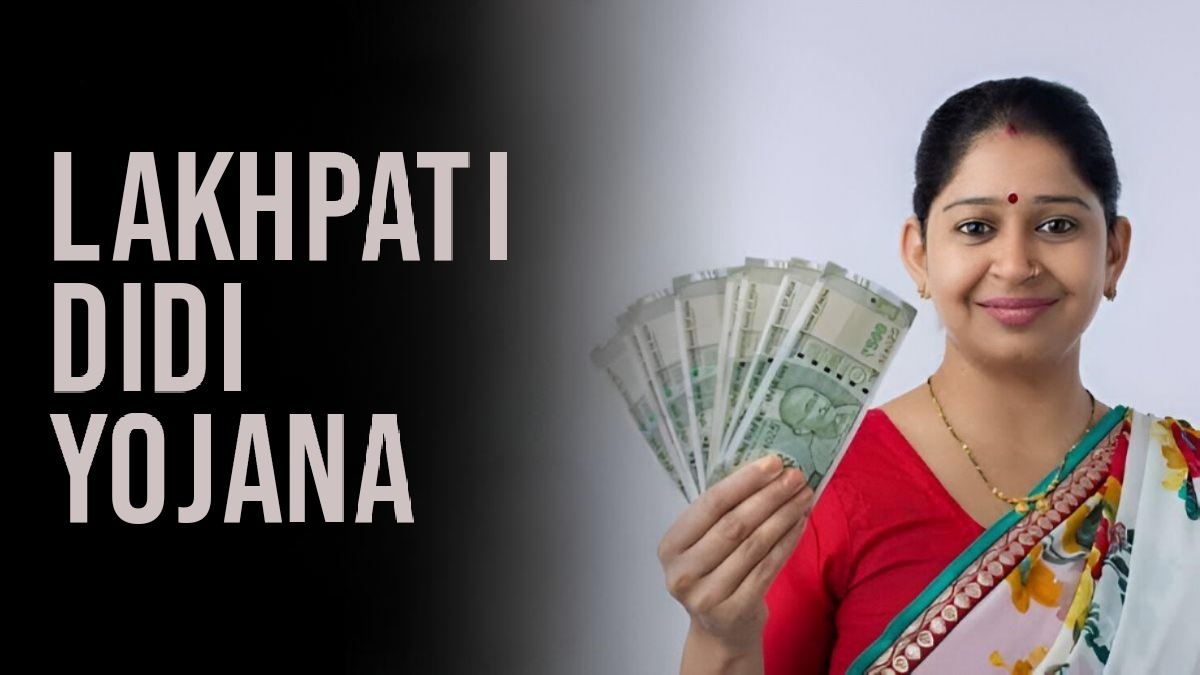
The Lakhpati Didi Scheme represents a key initiative by the Government of India designed to empower rural women by facilitating their ability to earn a sustainable annual income of at least ₹1 lakh. This scheme primarily targets women involved with Self-Help Groups (SHGs) under the National Rural Livelihoods Mission, aiming to transform them into self-assured entrepreneurs and income producers. By fostering financial independence and enhancing skill development, the scheme significantly contributes to bolstering the rural economy and elevating the social standing of women.
At its essence, the Lakhpati Didi Scheme promotes a variety of livelihood activities. Women are trained and supported to engage in income-generating endeavors such as agriculture-based businesses, animal husbandry, dairy farming, fisheries, food processing, tailoring, handicrafts, small-scale manufacturing, and local service-oriented enterprises. Rather than relying on a single income source, the scheme encourages women to pursue multiple activities, thereby ensuring a steady increase in their overall earnings throughout the year.
Skill development serves as a fundamental aspect of the scheme. Women beneficiaries receive training in technical skills pertinent to their selected livelihoods, alongside education in financial literacy, bookkeeping, digital payments, marketing, and basic business management. These training sessions empower women not only to increase their earnings but also to manage their finances effectively, save consistently, and reinvest profits to grow their businesses. Additionally, exposure visits and mentoring support further enhance their confidence and practical expertise.
Related Posts
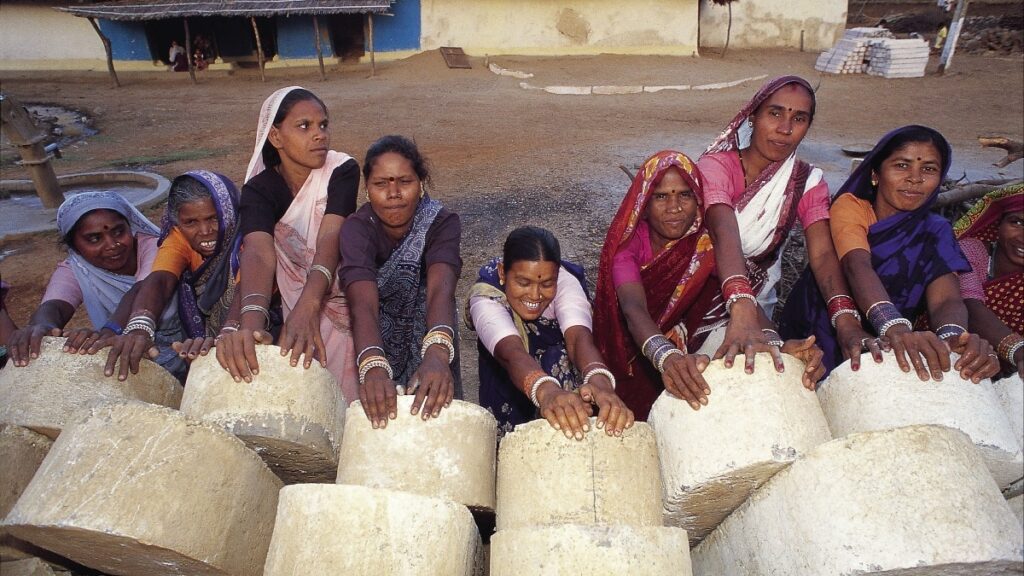
Access to affordable credit constitutes another vital element. Women participating in the Lakhpati Didi Scheme are connected with banks and financial institutions to obtain low-interest loans through SHGs. This financial assistance enables them to acquire raw materials, tools, livestock, or machinery necessary for their operations. Timely access to credit ensures that women avoid the pitfalls of high-interest informal lending and can develop their businesses in a sustainable manner.
The program also highlights the importance of aligning with other governmental initiatives. Participants are linked to programs concerning agriculture, animal husbandry, food processing, skill enhancement, and social welfare. This cohesive strategy guarantees that women obtain the fullest advantages, including subsidies, insurance, and technical support, while avoiding redundant efforts. Consequently, the overall effect on household income and livelihood security is significantly enhanced.
A key result of the Lakhpati Didi Scheme is the empowerment of women. As they begin to earn their own income, their influence within both the family and the community increases. They acquire a more substantial voice in household decisions regarding education, health, and financial matters. The rise in income also translates to improved nutrition, better living conditions, and increased school attendance for children, particularly girls. Over time, this plays a crucial role in breaking the cycle of poverty in rural regions.
The initiative also fosters leadership among women. Numerous Lakhpati Didis become role models in their communities, motivating other women to participate in Self-Help Groups (SHGs) and initiate their own income-generating activities. These women frequently assume leadership positions in community organizations, cooperatives, and local governance, thereby reinforcing grassroots democracy.
In the long term, the Lakhpati Didi Scheme promotes inclusive and sustainable development. By prioritizing women-led growth, it not only increases family incomes but also enhances rural productivity and job creation. The scheme is in line with the broader goals of women empowerment, self-sufficiency, and economic resilience, representing a transformative move towards establishing stronger and more prosperous rural communities throughout India.