
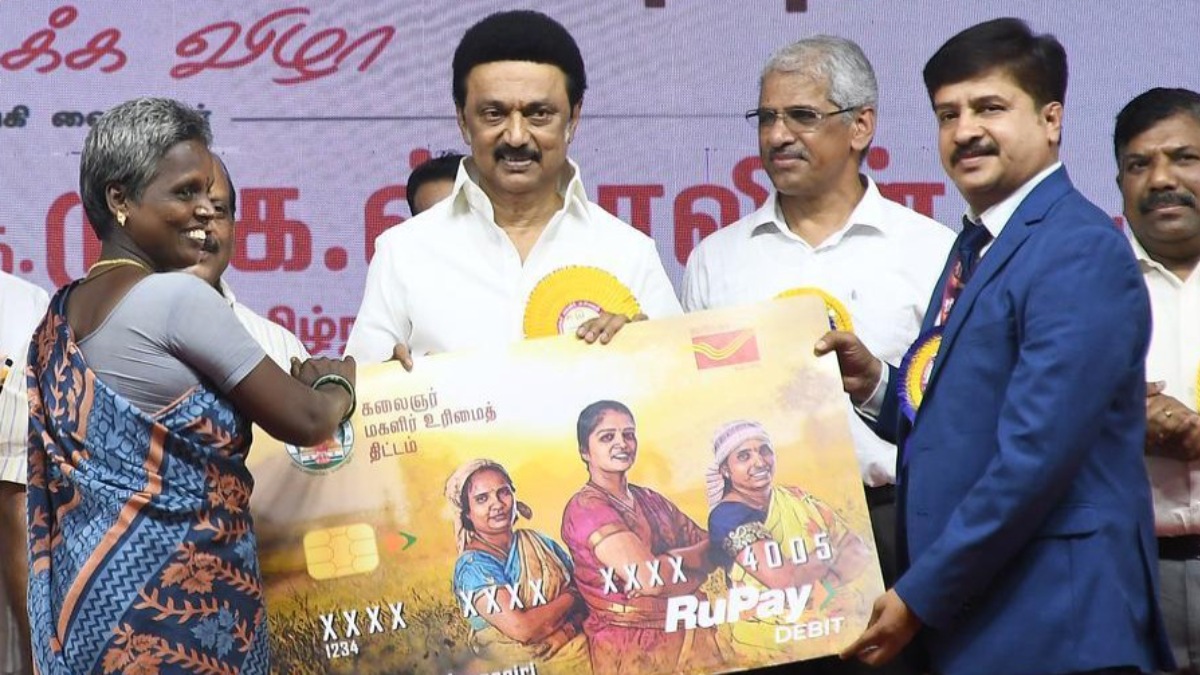
How To Report Complaints About Kalaignar Magalir Urimai Thittam Online
Kalaignar Magalir Urimai Thittam is an important women welfare scheme implemented by the Government of Tamil Nadu to provide monthly financial assistance of ₹1000 to eligible women heads of families. While the scheme benefits lakhs of women across Tamil Nadu, some beneficiaries may face issues such as payment delays, application rejection, Aadhaar–bank linking problems, or incorrect status updates. To solve these issues, the government has enabled online grievance and complaint reporting systems, making it easier for women to raise their concerns without visiting offices repeatedly.
Common Issues for Which Complaints Are Raised
Beneficiaries usually report complaints for the following reasons:
- Monthly assistance amount not credited to bank account
- Application rejected without proper reason
- Name missing from beneficiary or approval list
- Aadhaar not linked with bank account
- Bank details entered incorrectly
- Application status showing “Pending” for a long time
Identifying the exact issue before filing the complaint helps authorities resolve it faster.
Related Posts
How To Report Complaint Online (Official Method)
Complaints related to Kalaignar Magalir Urimai Thittam can be submitted through the Tamil Nadu government’s online grievance or e-Sevai system. Applicants need to enter basic details such as name, mobile number, district, ration card number, and scheme-related information. The complaint should be explained clearly in simple words, mentioning the exact problem faced. After submission, a complaint reference number will be generated, which must be saved for future tracking.
Reporting Complaint Through CM Grievance Portal
Another effective method is submitting the complaint through the Chief Minister’s grievance portal. Here, beneficiaries can select the concerned department and scheme name, enter their personal details, and describe the issue faced under Kalaignar Magalir Urimai Thittam. Once submitted, the grievance is forwarded to the respective department for action, and an acknowledgment number is provided for tracking.
Filing Complaint via e-Sevai Maiyam (Assisted Online)
For women who are not comfortable with online systems, nearby e-Sevai centers can help. The staff at these centers will file the complaint online on behalf of the beneficiary. Applicants should carry Aadhaar card, ration card, bank passbook, and any scheme-related acknowledgment details to ensure correct submission.
How To Check Complaint Status
After registering the complaint, beneficiaries can track the status online using:
- Complaint or grievance reference number
- Registered mobile number
The status usually shows stages such as Under Review, Action Taken, or Resolved. Most complaints are addressed within 15 to 30 working days, depending on the nature of the issue.
Important Tips While Submitting Complaint
To avoid rejection or delay, beneficiaries should follow these points:
- Enter correct personal and contact details
- Clearly explain the problem without confusion
- Upload supporting documents wherever possible
- Avoid submitting multiple complaints for the same issue
- Keep the acknowledgment or reference number safely
If Complaint Is Not Resolved
If no action is taken within the expected time, beneficiaries can escalate the issue by re-submitting the grievance with the old reference number or by approaching the Taluk Office, Revenue Office, or District Social Welfare Office with proof of complaint submission.
Apply Website Link
Conclusion
The online complaint system for Kalaignar Magalir Urimai Thittam ensures transparency and accountability in delivering financial assistance to women. By using the official online grievance portals or e-Sevai centers, beneficiaries can easily report issues related to payment, eligibility, or application status and get them resolved without unnecessary delays.



























Romba nandringa