

Request Rescue of Street Animals In Distress
Street animals in distress represent some of the most vulnerable beings in our environment, relying quietly on human compassion for their survival. Each day, numerous stray dogs, cats, cattle, and other creatures suffer from hunger, injuries, illnesses, accidents, abandonment, and mistreatment without any means of self-protection. Many of these animals wander the streets without access to medical care, shelter, or reliable sources of clean food and water. When we observe such suffering, it becomes our moral duty to take action and seek prompt rescue and assistance from the appropriate authorities, NGOs, and kind-hearted individuals who can provide effective intervention.
Street animals frequently encounter significant dangers from traffic accidents, extreme weather conditions, lack of vaccinations, untreated injuries, and infections that can proliferate rapidly without adequate medical attention. Often, animals hurt in traffic accidents lie on the roads for extended periods, sometimes for hours or even days, unable to move, and often terrified and in pain. Without swift rescue, their situations deteriorate, potentially leading to permanent disabilities or death. These circumstances underscore the critical need for proactive rescue networks that can respond promptly to distress signals. Requesting assistance at the right time can save a life that might otherwise be lost.
Numerous animal welfare organizations, helpline services, and municipal agencies operate specialized rescue units. However, they depend significantly on public involvement to report incidents. When someone spots an injured or distressed street animal, providing precise information—such as the exact location, nature of the injury, and any visible dangers—can greatly enhance the response time. Even simple actions like keeping the animal safe from traffic, providing clean drinking water, or gently covering it with a cloth until help arrives can alleviate further suffering. These small gestures of kindness often represent the initial steps toward successful rescue and rehabilitation.
Related Posts
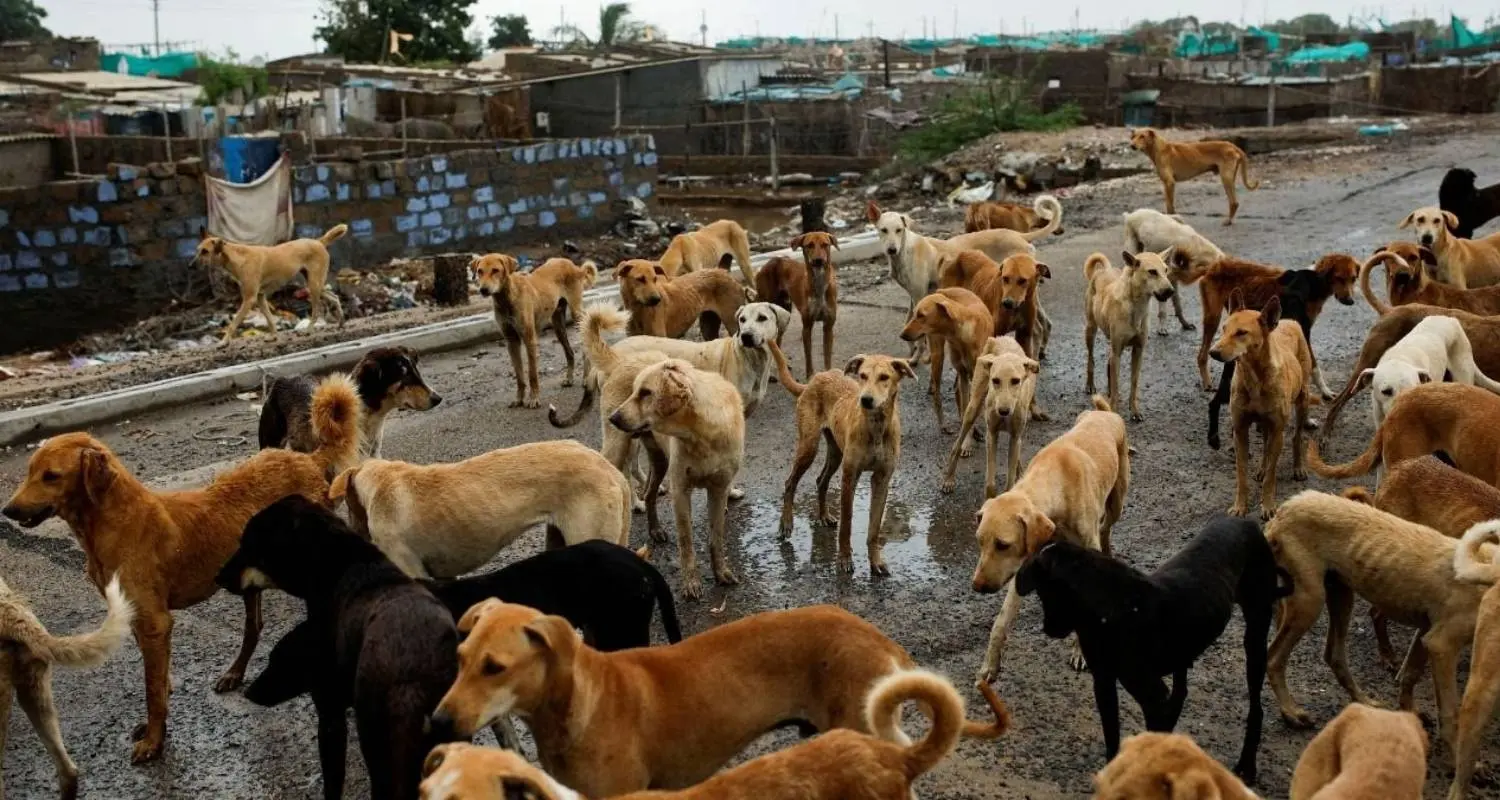
One significant issue impacting street animals is malnutrition and dehydration. Many of these animals rely on leftover food, which is often spoiled or inadequate, compromising their immune systems and making them susceptible to illnesses. Seeking assistance from local feeding volunteers or animal welfare organizations can help guarantee that starving animals receive nutritious meals consistently. Furthermore, increasing awareness within the community can motivate more individuals to engage in feeding initiatives, sponsor medical treatments, or support vaccination efforts.
Street animals in distress also face challenges due to the lack of sterilization, which leads to uncontrolled population growth. This situation results in heightened competition for scarce resources and places newborn puppies and kittens at a greater risk of mortality. By seeking help from organizations that focus on sterilization campaigns, communities can work to alleviate further suffering and foster a safer environment for both humans and animals. Sterilized animals are generally calmer, healthier, and less aggressive, which helps to minimize conflicts and encourage peaceful coexistence.
Another crucial element of street animal welfare is safeguarding them from intentional harm or cruelty. Unfortunately, incidents of abuse, poisoning, and harassment continue to occur in numerous locations. When such actions are observed or suspected, it is vital to report them promptly to local authorities or animal protection organizations, ensuring that swift measures are taken to protect the lives of innocent animals. Capturing the situation with photographs or videos can also aid in strengthening the case and ensuring accountability.
Website Link
Compassionate individuals are essential in creating a safer environment for street animals. By advocating for rescues, supporting rehabilitation initiatives, and raising awareness, people help foster a community that prioritizes empathy and responsibility. Motivating neighbors, students, and local organizations to embrace humane practices further enhances the culture of animal welfare. Each rescue request, every injured animal cared for, and every gesture of kindness contributes to a broader movement that safeguards lives and alleviates suffering. Street animals may lack a voice, but through our actions, we can advocate for them. Seeking rescue for animals in need is not merely a service; it is a demonstration of our humanity and the conviction that every life warrants care, safety, and dignity.