
Consumer Helpline
A consumer helpline is a specialized support service designed to help consumers resolve their complaints and issues related to products and services. It serves as a link between consumers and businesses, facilitating dispute resolution, providing information, and safeguarding consumer rights. Managed by government bodies, non-profit organizations, or private entities, consumer helplines are a vital component of the consumer protection system in numerous countries.
These helplines generally provide assistance on a variety of topics, such as faulty products, service delays, deceptive advertising, excessive charges, and more. When consumers face challenges with a product or service, they can reach out to the helpline for guidance on the appropriate actions to take. Trained staff address the complaints and offer legal and procedural assistance. Many helplines also keep records of complaints and analyze trends to pinpoint companies with persistent problems.
One of the key benefits of a consumer helpline is its accessibility. Most helplines are toll-free and available during standard business hours, with some providing 24/7 support. Furthermore, many helplines offer services in multiple languages, ensuring that individuals from various linguistic backgrounds can express their concerns effectively. With the growth of digital communication, numerous helplines now provide assistance through email, chat, and mobile applications, enhancing convenience for consumers seeking help.
Related Posts
Beyond addressing complaints, consumer helplines also significantly contribute to raising awareness. They inform the public about their consumer rights, including the right to safety, the right to information, the right to choose, and the right to be heard. This education empowers consumers to make well-informed choices and to challenge unfair trade practices.
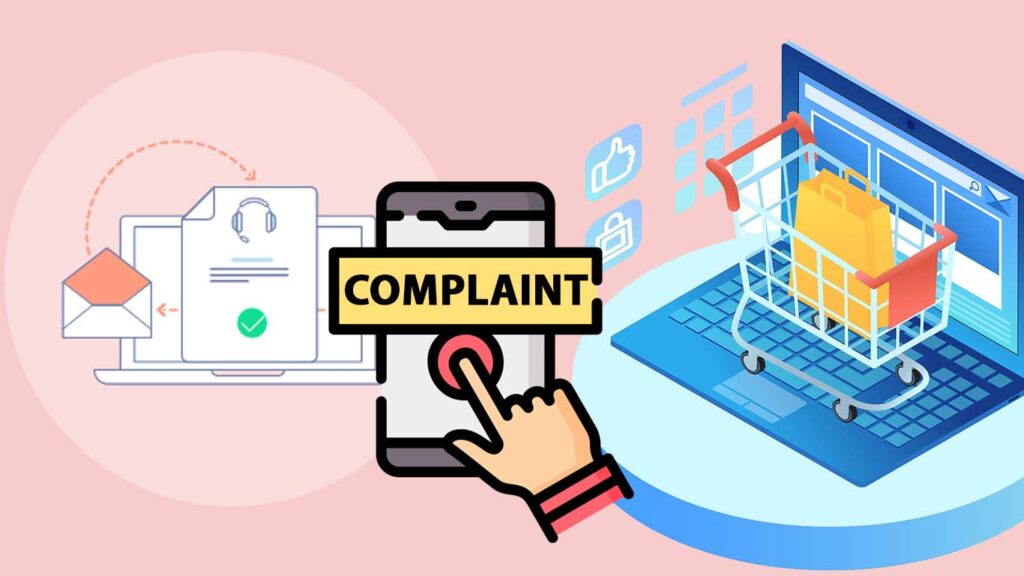
The process for filing a complaint is generally straightforward. When a consumer contacts a helpline, they must provide information such as the product or service in question, the specifics of the problem, the purchase date, any interactions with the seller or service provider, and relevant documents like receipts, warranty cards, or previous complaint emails. The helpline staff may then assist the consumer in escalating the matter to the right department, recommend alternative dispute resolution options, or aid in submitting a formal complaint to a consumer forum or ombudsman.
Government-operated helplines, like the National Consumer Helpline (NCH) in India, are especially effective. These services are supported by legislation such as the Consumer Protection Act and possess the authority to follow up on complaints with the relevant businesses. They also gather data on grievances, which aids policymakers in understanding consumer patterns and formulating improved regulations.
For numerous consumers, particularly those in rural or underserved regions, these helplines often represent the first and only avenue for support when encountering problems with products or services. In the absence of such support systems, consumers might have to endure losses or be exploited by unscrupulous businesses. Thus, consumer helplines play a crucial role not only in achieving individual justice but also in upholding ethical practices in the marketplace.
Website Link
To ensure effectiveness, consumer helplines need to be sufficiently staffed, consistently monitored, and equipped with up-to-date technology. There should be feedback systems in place to assess service quality, and helpline executives should receive regular training. Additionally, partnerships between helplines, consumer courts, regulatory agencies, and industries can amplify the overall effectiveness of these services.
In summary, consumer helplines play an essential role in the consumer protection framework. They offer prompt support, empower individuals, and hold businesses responsible for the goods and services they provide. As markets change and consumer demands become increasingly intricate, the importance of consumer helplines will persist in fostering fairness, transparency, and confidence in the economy.